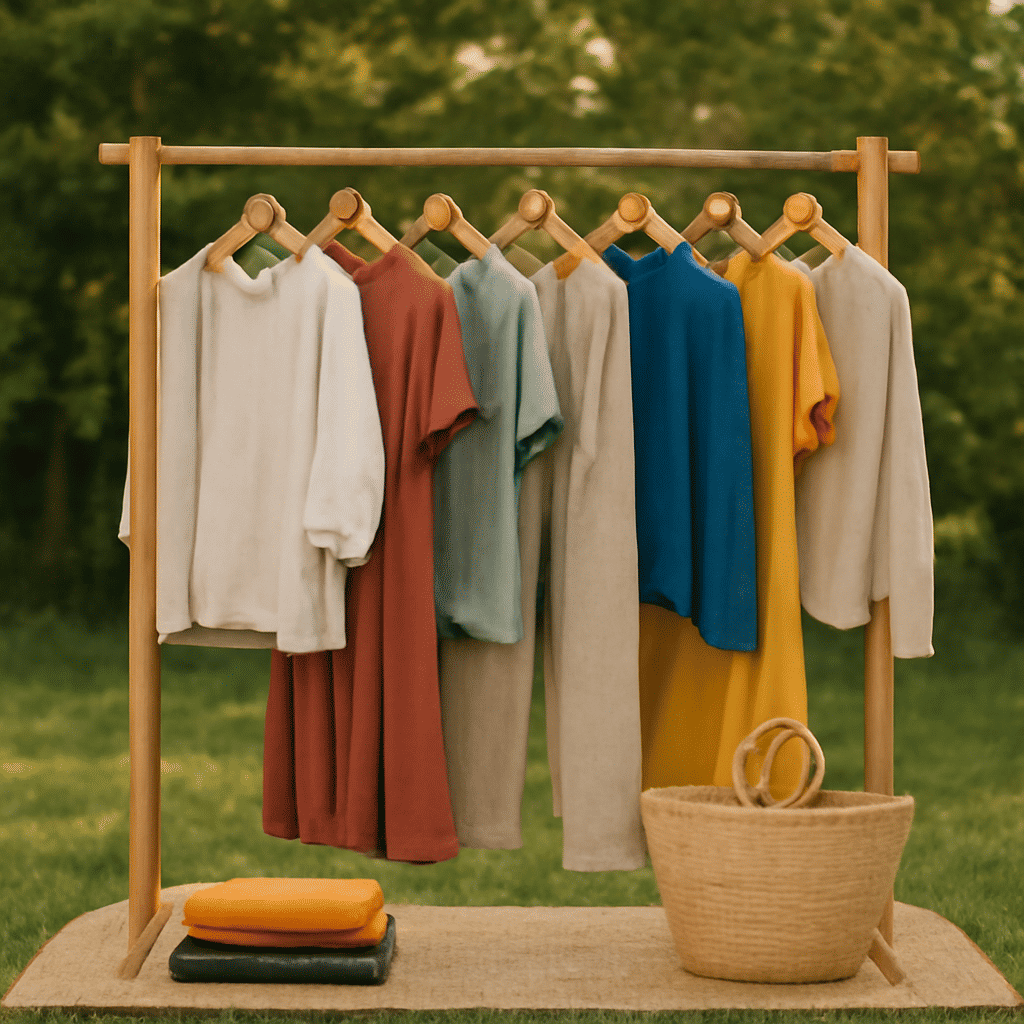
In 2024, the fashion industry is undergoing a remarkable transformation, showcasing a dynamic blend of style and sustainability. As awareness about environmental impact grows, so does the appeal of eco-friendly fashion. This shift not only embraces the Earth's natural resources but also sets a trend that combines aesthetic innovation with ethical choices.
Gone are the days when eco-friendly fashion was synonymous with drab or limited designs. Today, sustainable fashion is breaking the mold, offering a diverse range of styles that are as chic as they are conscious. At the heart of this revolution is the use of eco-friendly materials like organic cotton, bamboo, hemp, and recycled fabrics. These materials are not only biodegradable but also require fewer resources to produce, significantly reducing the carbon footprint of fashion items.
Innovative design approaches are contributing significantly to the evolution of sustainable fashion. Designers are increasingly exploring techniques such as zero-waste pattern cutting, where every piece of fabric is utilized efficiently, leaving little to no waste. Additionally, upcycling is becoming a popular practice, where old garments are transformed into new pieces, breathing new life into previously discarded items. This approach not only saves resources but also adds a unique and personalized touch to fashion.
Moreover, technological advancements play a crucial role in this eco-friendly transformation. The emergence of 3D-knitting and digital fabric printing reduces excess waste and minimizes the need for harmful chemicals. These technologies enable designers to create intricate patterns and designs with precision and efficiency while maintaining environmental integrity.
Sustainable fashion also extends beyond materials and production methods. It encourages mindful consumption by promoting quality over quantity. Investing in timeless pieces that transcend seasonal trends ensures longevity, making wardrobes not only sustainable but also economically efficient. Many fashion brands now prioritize durability, creating high-quality garments designed to last, thus encouraging consumers to buy less and wear more.
Furthermore, the rise of fashion rental services exemplifies a forward-thinking approach to sustainability. By renting instead of purchasing garments, fashion enthusiasts can enjoy a diverse wardrobe without the environmental burden of overproduction and excessive waste. This model fosters a culture of sharing and reusing, which is pivotal in reducing the overall environmental impact of fashion.
Embracing sustainable fashion is not only about the clothes we wear but also about the message we convey. It reflects a commitment to protecting the planet while indulging in creativity and style. As consumers become more informed and conscious of their choices, the demand for eco-friendly fashion continues to grow, propelling the industry forward and prompting more brands to adopt sustainable practices.
The future of fashion is undoubtedly green, blending aesthetics with environmental responsibility. By integrating eco-friendly fashion into our lives, we can transform our wardrobes into a reflection of our values, showcasing how style and sustainability can harmoniously coexist. As we step into 2024 and beyond, embracing eco-friendly fashion becomes a powerful statement — one that celebrates the art of dressing consciously and stylishly.